Compare Diesel Cars by Mileage, Features, and Price
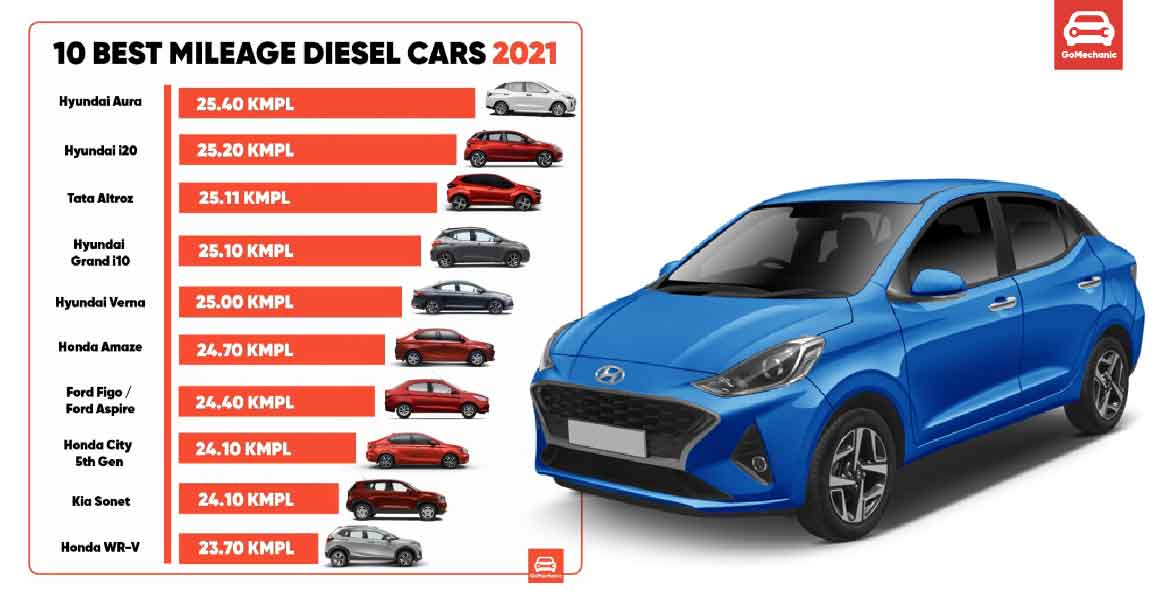
Dreaming of hitting the open road, saving money at the pump, and enjoying a comfortable ride? If you're considering a diesel car, you're likely juggling a lot of information. Which model offers the best fuel efficiency? What features are essential for your daily commute? And of course, how does it all fit within your budget?
It's tough navigating the world of diesel cars. Trying to weigh the importance of fuel economy against the latest tech features, all while staying within a reasonable price range, can feel overwhelming. You might spend hours sifting through online reviews and spec sheets, only to end up more confused than when you started.
This guide is designed to help you compare diesel cars based on the three key factors that matter most: mileage, features, and price. We'll break down the essentials, offer practical advice, and equip you with the knowledge you need to make an informed decision and drive away in the perfect diesel car for your needs.
We've explored the landscape of diesel cars, focusing on how to effectively compare them based on mileage (fuel efficiency), the features they offer, and their price points. By carefully considering these factors, you can confidently choose a diesel vehicle that aligns perfectly with your lifestyle and financial goals. Remember to research current models and incentives, as the diesel market continues to evolve. Ultimately, the best diesel car for you is the one that strikes the right balance between efficiency, features, and affordability.
Mileage Matters: Fuel Efficiency in Diesel Cars
The primary target of comparing diesel cars by mileage is to find a vehicle that offers the best fuel economy for your driving needs. Understanding the mileage figures helps you estimate long-term fuel costs, which can significantly impact your overall vehicle ownership expenses. This comparison also allows you to choose a car that aligns with your environmental concerns by opting for a more fuel-efficient model that reduces emissions.
I remember the first time I really started paying attention to fuel efficiency. I was driving a gas-guzzling SUV, and the weekly trips to the gas station were becoming a real financial burden. I started looking into alternatives and was immediately drawn to the idea of a diesel car and its promises of superior mileage. The numbers were impressive compared to my current vehicle. It was then that I realized how crucial it is to understand and compare mileage figures when choosing a car. It's not just about saving money; it's also about reducing your carbon footprint.
When you're comparing diesel cars by mileage, don't just look at the official figures provided by manufacturers. These numbers are often achieved under ideal conditions and may not reflect real-world driving scenarios. Factors like driving style, traffic conditions, and the type of roads you typically drive on can all affect fuel economy. Look for independent tests and reviews that provide more realistic mileage figures. Pay attention to the difference between city and highway mileage, as your driving habits will determine which number is more relevant to you.
Also, consider the long-term implications of fuel efficiency. Over the lifespan of a car, even a small difference in mileage can add up to significant savings. A car that gets 5 miles per gallon more than another can save you hundreds or even thousands of dollars in fuel costs over several years. This is especially important for those who drive long distances or commute regularly. Choosing a diesel car with excellent mileage is a smart investment that can pay off in the long run.
Decoding the Features of Diesel Cars
The aim of comparing features in diesel cars is to identify the technologies, comfort elements, and safety systems that enhance the driving experience and meet your specific needs. By comparing features, you can prioritize what's most important to you – whether it's advanced safety features, infotainment systems, or luxurious amenities – and choose a car that offers the best value for your investment. This comparison also helps ensure that you're not paying extra for features you don't need or won't use.
When considering features, think beyond the basics like air conditioning and power windows. Look at advanced driver-assistance systems (ADAS) such as adaptive cruise control, lane departure warning, and automatic emergency braking. These features can significantly improve safety and reduce the risk of accidents. Evaluate the infotainment system, including the size and responsiveness of the touchscreen, compatibility with smartphone integration (Apple Car Play and Android Auto), and the quality of the audio system. Consider comfort features like heated seats, leather upholstery, and a sunroof, especially if you spend a lot of time driving.
Also, pay attention to the practical features that can make your life easier. Features like a power liftgate, parking sensors, and a rearview camera can be invaluable for daily use. Evaluate the cargo space and passenger room, especially if you frequently carry passengers or large items. Compare the different trim levels offered by each manufacturer, as higher trims often include more features. Be mindful of optional packages, as they can add significantly to the price of the car. Prioritize the features that are most important to you and choose a diesel car that offers the best combination of functionality, comfort, and convenience.
The Price Factor: Affordability and Value
The primary goal of comparing the prices of diesel cars is to find a vehicle that fits within your budget while offering the best possible value. Price comparison involves not only the initial purchase price but also long-term costs such as maintenance, insurance, and fuel. By considering these factors, you can make an informed decision that aligns with your financial goals and ensures you're getting the most for your money.
When comparing prices, don't just focus on the sticker price. Consider the total cost of ownership, which includes factors like fuel consumption, maintenance costs, insurance rates, and depreciation. Diesel cars may have a higher initial purchase price compared to gasoline cars, but their superior fuel economy can lead to significant savings over time. Research the maintenance schedules and costs for each model, as some diesel cars may require more frequent or expensive maintenance. Get quotes from different insurance companies to compare insurance rates, as these can vary depending on the make and model of the car.
Also, consider the resale value of the car. Some diesel cars hold their value better than others, which can impact the overall cost of ownership. Look for incentives and rebates that may be available, such as tax credits or manufacturer discounts. Negotiate the price with the dealer and don't be afraid to shop around for the best deal. Be mindful of financing options and interest rates, as these can significantly affect the overall cost of the car. By carefully considering all these factors, you can find a diesel car that offers the best combination of affordability and value for your needs.
Hidden Secrets: What You Might Not Know About Diesel Cars
Delving into the hidden secrets of diesel cars unveils aspects that go beyond the typical specifications and marketing claims. This exploration reveals insights into long-term reliability, potential maintenance quirks, and the true environmental impact of modern diesel technology. Understanding these hidden aspects empowers you to make a more informed decision, avoiding potential surprises and maximizing the benefits of owning a diesel vehicle.
One of the lesser-known aspects of modern diesel cars is the advanced technology that goes into reducing emissions. Diesel engines have historically been associated with high levels of pollutants, but modern diesel cars are equipped with sophisticated emission control systems, such as diesel particulate filters (DPFs) and selective catalytic reduction (SCR) systems. These systems can significantly reduce emissions of particulate matter and nitrogen oxides, making modern diesel cars much cleaner than their predecessors. However, these systems can also be complex and require proper maintenance to function effectively.
Another hidden secret of diesel cars is their longevity. Diesel engines are typically built to be more durable than gasoline engines, with stronger components and more robust construction. This can translate into a longer lifespan for the car, with many diesel cars capable of racking up hundreds of thousands of miles with proper maintenance. However, this longevity comes at a price, as diesel engines can be more expensive to repair than gasoline engines. It's important to factor in these potential repair costs when considering the long-term ownership costs of a diesel car.
Furthermore, many people are unaware of the differences in diesel fuel quality. Diesel fuel can vary significantly in terms of sulfur content, cetane rating, and other properties. Using high-quality diesel fuel can improve engine performance, reduce emissions, and extend the life of the engine. It's important to choose a reputable fuel station and ensure that the diesel fuel meets the specifications recommended by the car manufacturer.
Diesel Car Recommendations: Models Worth Considering
Offering recommendations for specific diesel car models that stand out in terms of mileage, features, and price provides concrete options for potential buyers. These recommendations are based on a comprehensive evaluation of the current market, highlighting vehicles that offer a compelling combination of fuel efficiency, advanced technology, and affordability. This guidance helps narrow down the choices and simplifies the decision-making process for those considering a diesel car purchase.
When it comes to diesel car recommendations, there are several models that consistently stand out for their exceptional mileage, impressive features, and competitive pricing. One example is the Volkswagen Golf TDI, which has long been praised for its fuel efficiency and practicality. The Golf TDI offers a spacious interior, a comfortable ride, and a range of features, including a user-friendly infotainment system and advanced safety technologies. Its diesel engine delivers excellent fuel economy, making it a great choice for those who prioritize fuel efficiency.
Another model worth considering is the BMW 320d, which offers a more premium driving experience. The 320d combines sporty handling with excellent fuel economy, making it a popular choice among driving enthusiasts. It features a luxurious interior, a range of advanced technologies, and a powerful diesel engine that delivers strong performance. While the 320d may be more expensive than the Golf TDI, it offers a higher level of refinement and performance.
For those who need more space and versatility, the Skoda Octavia TDI is an excellent option. The Octavia TDI offers a spacious interior, a large cargo area, and a range of practical features. Its diesel engine delivers excellent fuel economy, making it a great choice for families and those who need to carry a lot of gear. The Octavia TDI also offers a comfortable ride and a range of advanced technologies, making it a well-rounded choice for everyday driving.
Diving Deeper: Understanding Diesel Engine Technology
A more in-depth explanation of diesel engine technology clarifies how these engines achieve their fuel efficiency and power. This includes detailing the combustion process, the role of turbocharging, and the emission control systems that contribute to the overall performance and environmental impact of diesel cars. This knowledge empowers you to appreciate the engineering behind diesel technology and make a more informed decision about your vehicle choice.
Diesel engines operate on a principle known as compression ignition, where air is compressed to a high degree, causing it to reach a temperature sufficient to ignite the fuel when it is injected. This differs from gasoline engines, which use spark plugs to ignite the air-fuel mixture. The high compression ratio of diesel engines results in a more efficient combustion process, which is why they typically offer better fuel economy than gasoline engines. However, the high compression also leads to higher levels of noise and vibration, which is why diesel engines have traditionally been associated with a rougher driving experience.
Turbocharging is another key technology used in modern diesel engines. A turbocharger uses exhaust gases to spin a turbine, which then compresses the intake air, forcing more air into the engine. This allows the engine to burn more fuel, resulting in increased power and torque. Turbocharging also helps to improve fuel economy, as the engine can produce more power with less fuel. Most modern diesel cars are equipped with turbochargers to enhance their performance and efficiency.
Emission control systems are essential for reducing the environmental impact of diesel engines. Diesel engines have historically been associated with high levels of pollutants, such as particulate matter and nitrogen oxides. Modern diesel cars are equipped with a range of emission control systems, including diesel particulate filters (DPFs) and selective catalytic reduction (SCR) systems. DPFs trap particulate matter, preventing it from being released into the atmosphere. SCR systems use a catalyst to convert nitrogen oxides into nitrogen and water, reducing their harmful effects. These emission control systems have significantly reduced the environmental impact of diesel cars, making them much cleaner than their predecessors.
Expert Tips for Choosing the Right Diesel Car
Providing expert tips on how to navigate the selection process for a diesel car offers practical guidance for potential buyers. These tips cover aspects such as researching models, understanding specifications, test driving vehicles, and negotiating prices, empowering you to make a well-informed and confident decision that aligns with their individual needs and preferences.
When choosing a diesel car, it's important to do your research. Start by identifying your needs and priorities. Consider factors like your budget, the type of driving you'll be doing, and the features that are most important to you. Once you have a clear understanding of your needs, you can start researching different models. Look for reviews and comparisons from reputable sources, and pay attention to both the positive and negative aspects of each car. Don't rely solely on the manufacturer's marketing materials; seek out independent opinions and feedback from other owners.
Before making a decision, it's essential to test drive several different models. A test drive will give you a feel for the car's handling, comfort, and performance. Pay attention to how the car accelerates, brakes, and handles in different driving conditions. Evaluate the comfort of the seats, the visibility from the driver's seat, and the ease of use of the controls. Also, test out the features that are important to you, such as the infotainment system, the safety features, and the cargo space. If possible, test drive the car on the roads you typically drive on, to get a realistic sense of its performance in your everyday driving conditions.
When negotiating the price of a diesel car, it's important to be prepared. Research the market value of the car you're interested in, and know what you're willing to pay. Don't be afraid to negotiate with the dealer, and be prepared to walk away if they're not willing to meet your price. Also, be aware of any incentives or rebates that may be available, such as tax credits or manufacturer discounts. Don't forget to factor in the cost of financing, and shop around for the best interest rate. By being prepared and negotiating effectively, you can get the best possible deal on your diesel car.
The Future of Diesel Cars: What to Expect
Speculating on the future of diesel cars offers insights into potential technological advancements, regulatory changes, and market trends. This includes discussions on the development of cleaner diesel technologies, the impact of stricter emission standards, and the role of diesel in the broader automotive landscape. This forward-looking perspective helps you anticipate the long-term implications of owning a diesel vehicle and make informed decisions about their future transportation needs.
The future of diesel cars is uncertain, but there are several trends that are likely to shape their evolution. One trend is the continued development of cleaner diesel technologies. Manufacturers are investing heavily in technologies such as advanced emission control systems, improved fuel injection systems, and alternative fuels to reduce the environmental impact of diesel engines. These technologies are making diesel cars cleaner and more efficient than ever before, and they are likely to play a key role in the future of diesel cars.
Another trend is the increasing stringency of emission standards. Governments around the world are tightening emission standards for vehicles, including diesel cars. These stricter standards are forcing manufacturers to develop cleaner and more efficient engines, and they are also leading to the phasing out of older, more polluting diesel cars. The future of diesel cars will depend on their ability to meet these stricter emission standards.
The role of diesel in the broader automotive landscape is also changing. As electric vehicles become more popular, diesel cars are likely to face increasing competition. However, diesel cars still offer several advantages over electric vehicles, such as longer range, faster refueling, and lower fuel costs. Diesel cars are likely to remain a viable option for certain drivers, particularly those who need to travel long distances or tow heavy loads. The future of diesel cars will depend on their ability to compete with electric vehicles and other alternative fuel vehicles.
Fun Facts About Diesel Cars: Surprising Tidbits
Sharing fun and surprising facts about diesel cars adds an element of intrigue and entertainment to the topic. These facts can range from historical anecdotes to technological trivia, providing a lighthearted and engaging way for you to learn more about diesel vehicles and their unique characteristics. This approach helps to broaden your understanding and appreciation of diesel technology.
Did you know that the first diesel engine was invented by Rudolf Diesel in 1893? Diesel originally designed his engine to run on peanut oil, but it was later adapted to run on petroleum-based diesel fuel. The diesel engine was initially used in industrial applications, such as power plants and locomotives, but it was later adapted for use in automobiles. The first diesel-powered car was the Mercedes-Benz 260D, which was introduced in 1936. The Mercedes-Benz 260D was a popular choice for taxis and other commercial vehicles, thanks to its fuel efficiency and durability.
Another fun fact about diesel cars is that they typically offer better fuel economy than gasoline cars. This is because diesel engines are more efficient than gasoline engines, meaning they can extract more energy from the fuel. Diesel engines also produce more torque than gasoline engines, which makes them better suited for towing and hauling. The combination of fuel efficiency and torque has made diesel cars a popular choice for trucks, SUVs, and other heavy-duty vehicles.
Diesel cars have also been used in racing. In the 1950s, Mercedes-Benz developed a diesel-powered race car called the W196. The W196 was a highly successful race car, winning several Grand Prix races. In the 2000s, Audi developed a diesel-powered race car called the R10 TDI. The R10 TDI was also a highly successful race car, winning several 24 Hours of Le Mans races. The success of diesel-powered race cars has demonstrated the performance potential of diesel engines.
Step-by-Step Guide: How to Compare Diesel Cars
Providing a step-by-step guide on how to compare diesel cars ensures that you have a clear and structured approach to the selection process. This guide breaks down the comparison into manageable steps, covering aspects such as identifying needs, researching models, evaluating specifications, test driving vehicles, and negotiating prices, empowering you to make a well-informed and confident decision.
Step 1: Identify your needs and priorities. Start by considering your budget, the type of driving you'll be doing, and the features that are most important to you. Do you need a car for commuting, long-distance travel, or towing? What features are essential for your daily commute, such as heated seats, a navigation system, or advanced safety technologies? Once you have a clear understanding of your needs, you can start researching different models.
Step 2: Research different models. Look for reviews and comparisons from reputable sources, and pay attention to both the positive and negative aspects of each car. Compare the mileage figures, features, and prices of different models. Pay attention to the total cost of ownership, which includes factors like fuel consumption, maintenance costs, insurance rates, and depreciation. Also, research the safety ratings of different models.
Step 3: Test drive several different models. A test drive will give you a feel for the car's handling, comfort, and performance. Pay attention to how the car accelerates, brakes, and handles in different driving conditions. Evaluate the comfort of the seats, the visibility from the driver's seat, and the ease of use of the controls. Also, test out the features that are important to you, such as the infotainment system, the safety features, and the cargo space. If possible, test drive the car on the roads you typically drive on, to get a realistic sense of its performance in your everyday driving conditions.
Step 4: Negotiate the price. Research the market value of the car you're interested in, and know what you're willing to pay. Don't be afraid to negotiate with the dealer, and be prepared to walk away if they're not willing to meet your price. Also, be aware of any incentives or rebates that may be available, such as tax credits or manufacturer discounts. Don't forget to factor in the cost of financing, and shop around for the best interest rate. By being prepared and negotiating effectively, you can get the best possible deal on your diesel car.
What If: Exploring Different Scenarios with Diesel Cars
Exploring different scenarios related to diesel cars helps you understand their performance and suitability under various conditions. This includes considering factors such as extreme weather, long-distance travel, heavy-duty use, and environmental regulations. By exploring these scenarios, you can better assess the capabilities and limitations of diesel vehicles and determine if they align with your specific needs and circumstances.
What if you live in a cold climate? Diesel engines can be more difficult to start in cold weather than gasoline engines. However, modern diesel cars are equipped with features such as glow plugs and block heaters to improve cold-weather starting. If you live in a very cold climate, you may want to consider a diesel car with these features. You should also make sure to use winter-blend diesel fuel, which is designed to prevent the fuel from gelling in cold weather.
What if you plan to do a lot of long-distance travel? Diesel cars typically offer better fuel economy than gasoline cars, making them a good choice for long-distance travel. They also have a longer range, meaning you can drive further between fill-ups. If you plan to do a lot of long-distance travel, a diesel car may be a more economical choice than a gasoline car.
What if you need to tow heavy loads? Diesel engines produce more torque than gasoline engines, making them better suited for towing heavy loads. If you need to tow a boat, a trailer, or other heavy equipment, a diesel car may be a better choice than a gasoline car. However, be sure to check the towing capacity of the car before you buy it, to make sure it can handle the loads you need to tow.
What if you're concerned about environmental regulations? Diesel cars have historically been associated with high levels of pollutants, but modern diesel cars are equipped with advanced emission control systems that significantly reduce emissions. However, some cities and countries are banning or restricting the use of diesel cars in certain areas. If you're concerned about environmental regulations, you should research the regulations in your area before buying a diesel car.
Top 5 Things to Consider When Comparing Diesel Cars: A Quick List
Presenting a listicle of the top things to consider when comparing diesel cars provides a concise and easily digestible summary of the key factors. This includes mileage, features, price, reliability, and maintenance costs, offering a quick reference guide for you to prioritize their decision-making process and focus on the most important aspects when evaluating different diesel vehicles.
1. Mileage: Fuel efficiency is a major advantage of diesel cars. Compare the EPA estimates for city and highway driving to see which model offers the best fuel economy for your needs.
2. Features: Consider the features that are most important to you, such as safety technologies, infotainment systems, and comfort features. Compare the features offered by different models and trim levels to see which one offers the best value for your money.
3. Price: Don't just focus on the sticker price. Consider the total cost of ownership, which includes factors like fuel consumption, maintenance costs, insurance rates, and depreciation. Compare the prices of different models and financing options to see which one fits your budget.
4. Reliability: Research the reliability ratings of different diesel cars. Look for reviews and comparisons from reputable sources, and pay attention to both the positive and negative aspects of each car. Choose a model that has a good reputation for reliability to avoid costly repairs down the road.
5. Maintenance Costs: Diesel cars can sometimes have higher maintenance costs than gasoline cars. Research the maintenance schedules and costs for different models, and factor these costs into your overall budget. Choose a model that is relatively easy to maintain and has readily available parts.
Question and Answer About Compare Diesel Cars by Mileage, Features, and Price
Q: Are diesel cars more fuel-efficient than gasoline cars?
A: Yes, diesel cars are generally more fuel-efficient than gasoline cars. Diesel engines are designed to extract more energy from the fuel, resulting in better mileage.
Q: What are the main features to consider when comparing diesel cars?
A: Key features to consider include safety technologies (like automatic emergency braking), infotainment systems (such as Apple Car Play and Android Auto compatibility), comfort features (like heated seats), and cargo space.
Q: Is the initial price the only cost to consider when buying a diesel car?
A: No, the initial price is just one factor. Consider the total cost of ownership, including fuel consumption, maintenance, insurance, and potential depreciation. While diesel cars may have a higher upfront cost, their fuel efficiency can lead to long-term savings.
Q: How can I find reliable information about diesel car mileage and features?
A: Consult reputable sources like consumer reports, automotive review websites, and independent testing organizations. These sources provide unbiased information about fuel economy, features, and reliability.
Conclusion of Compare Diesel Cars by Mileage, Features, and Price
Choosing the right diesel car involves carefully balancing mileage, features, and price. By understanding your needs, researching available models, and considering long-term ownership costs, you can make an informed decision that aligns with your budget and preferences. Remember to prioritize fuel efficiency, safety features, and overall value to find the perfect diesel car for your lifestyle.
Post a Comment for "Compare Diesel Cars by Mileage, Features, and Price"