Crafts That Reuse Common Household Items
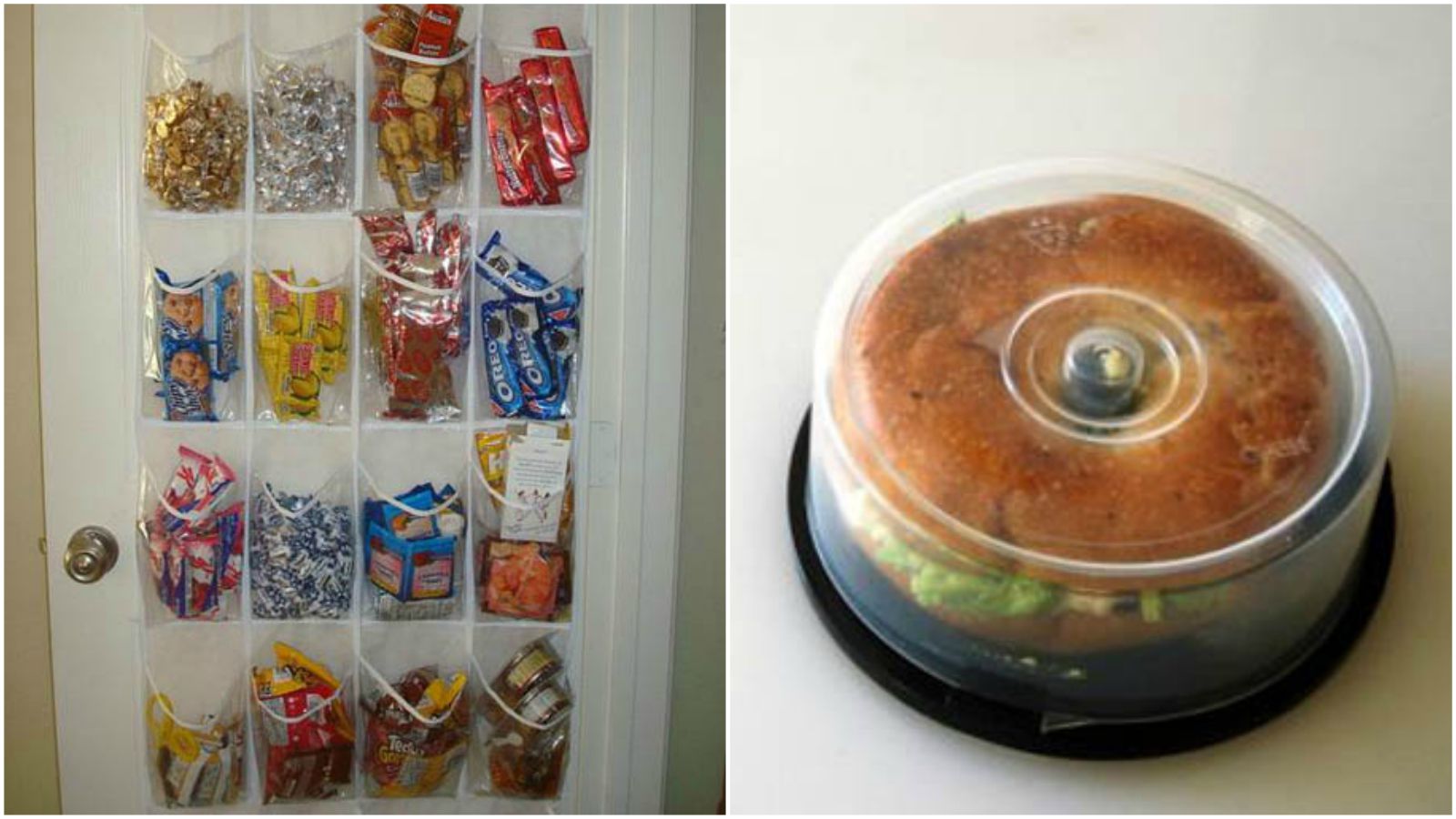
Ever look around your house and feel like you're drowning in…stuff? Before you toss those empty jars, cardboard boxes, or worn-out t-shirts, consider this: they're not trash, they're potential treasures waiting to be reborn as something beautiful and useful!
The sheer volume of discarded items can be overwhelming. The constant cycle of buying, using, and throwing away contributes to overflowing landfills and a nagging feeling of wastefulness. Finding creative solutions can feel daunting, especially when you're short on time, inspiration, or fancy crafting supplies.
This blog post is your guide to unlocking the world of upcycling and transforming everyday household items into unique, eco-friendly crafts. We'll explore practical projects, share tips and tricks, and inspire you to see the potential in the things you already own. Let's turn clutter into creativity!
We'll delve into the wonderful world of crafting with repurposed materials, from turning glass jars into charming vases to transforming old t-shirts into stylish tote bags. You'll discover the joy of giving new life to forgotten objects, reducing waste, and adding a personal touch to your home decor. So, grab your scissors, glue, and a sense of adventure, and let's get crafting!
Transforming Old Jars into Charming Decor
Who knew those pickle jars accumulating in your pantry could become such delightful decor pieces? I remember a time when I was hosting a small gathering and desperately needed some unique centerpieces. Rather than running to the store, I decided to raid my recycling bin. I grabbed a few mismatched glass jars, some twine, and a can of spray paint I had lying around. A little bit of creativity later, and I had a set of rustic-chic vases that were a huge hit! It was such a satisfying feeling to create something beautiful and functional from something I would have otherwise thrown away. This experience really opened my eyes to the potential of upcycling.
Now, think beyond just vases. Jars can be transformed into charming candle holders, quirky storage containers for your craft supplies, or even miniature terrariums. Consider painting them with chalkboard paint to label their contents, or adding decorative elements like beads, shells, or fabric scraps. The possibilities are truly endless. The key is to look at these ordinary items with a fresh perspective and let your imagination run wild. Upcycling glass jars isn't just about saving money and reducing waste; it's about adding a personal touch to your home and expressing your unique style.
Unleashing Creativity with Cardboard Boxes
Cardboard boxes: those ubiquitous symbols of online shopping and moving day. Before you flatten them and send them off to the recycling center, consider their potential as a crafting material. From elaborate playhouses for kids to sleek storage solutions for your home, cardboard boxes offer a surprisingly versatile canvas for your creativity. Think about the endless hours of entertainment a simple cardboard box can provide for children. With a little imagination and some basic art supplies, a box can become a spaceship, a castle, a car, or anything else they can dream up. And for adults, cardboard boxes can be transformed into stylish organizers, decorative wall art, or even sturdy furniture pieces.
The History and Myths of Upcycling
While "upcycling" might seem like a relatively new term, the practice of reusing and repurposing materials has been around for centuries. Our ancestors, faced with limited resources, naturally found ways to mend, repair, and transform old items into new ones. Think about quilts made from scraps of fabric, furniture built from reclaimed wood, or clothing patched and altered to extend its lifespan. These weren't just acts of necessity; they were also expressions of ingenuity and resourcefulness. One common myth is that upcycled crafts are always cheap and easy. While many projects are budget-friendly, some require more time, skill, and specialized tools. Don't let this deter you, though! The satisfaction of creating something unique and sustainable is well worth the effort.
The Hidden Secrets of Successful Upcycling
The secret to successful upcycling lies in seeing the potential in discarded items and understanding how to transform them into something new and useful. It's about looking beyond the original purpose of an object and envisioning its future possibilities. Another secret is preparation. Cleaning and preparing your materials properly will ensure a better final product. For example, removing labels from jars, sanding down rough edges on wood, and washing fabric scraps are all essential steps. And don't be afraid to experiment! Upcycling is all about trial and error. Some projects will work out perfectly, while others may require a bit of tweaking. The important thing is to learn from your mistakes and have fun in the process.
Recommended Tools and Materials for Upcycling
While you can upcycle with just a few basic supplies, having a well-stocked crafting kit can make the process even easier and more enjoyable. Some essential tools include scissors, a utility knife, a glue gun, paintbrushes, and sandpaper. As for materials, consider collecting things like paint, fabric scraps, twine, beads, buttons, and old magazines. Don't be afraid to invest in some specialized tools if you plan on tackling more complex projects. A sewing machine, a jigsaw, or a sander can open up a whole new world of upcycling possibilities. Remember, the goal is to be resourceful and creative. Use what you have on hand, and don't be afraid to improvise.
Upcycling for Beginners: Easy Projects to Get Started
If you're new to upcycling, it's best to start with simple projects that require minimal skills and materials. Transforming old t-shirts into reusable shopping bags is a great option. Simply cut off the sleeves and neckline, sew up the bottom, and you're good to go! Another easy project is turning tin cans into decorative planters. Clean the cans, decorate them with paint or fabric, and add some soil and your favorite plants. These beginner-friendly projects are a great way to learn the basics of upcycling and build your confidence before moving on to more challenging crafts. The sense of accomplishment you'll feel after completing your first upcycled project is incredibly rewarding and will inspire you to keep creating.
Essential Tips for Upcycling Success
Before you dive into your next upcycling project, consider these essential tips for success. First, plan ahead. Before you start cutting, gluing, or painting, take some time to sketch out your design and gather all the necessary materials. This will help you avoid mistakes and ensure a smoother crafting process. Second, don't be afraid to experiment. Upcycling is all about creativity and innovation, so don't be afraid to try new techniques and materials. Third, learn from your mistakes. Not every project will turn out perfectly, but that's okay! Use your mistakes as learning opportunities and apply those lessons to your future crafts. Finally, remember to have fun! Upcycling should be an enjoyable and rewarding experience.
Safety First: Upcycling Precautions
When working with repurposed materials, it's important to prioritize safety. Always wear protective gear, such as gloves and safety glasses, when cutting, sanding, or painting. Be especially cautious when working with power tools, and always follow the manufacturer's instructions. If you're working with materials that may contain harmful substances, such as lead paint or asbestos, take extra precautions to avoid exposure. It's also a good idea to work in a well-ventilated area to minimize the risk of inhaling fumes or dust. By taking these simple safety precautions, you can ensure a safe and enjoyable upcycling experience.
Fun Facts About Upcycling
Did you know that the term "upcycling" was coined in the 1990s by German engineer Reiner Pilz? Or that upcycling can save energy and reduce greenhouse gas emissions by decreasing the need for new materials? Upcycling is not just a trendy hobby; it's a sustainable practice that can have a significant positive impact on the environment. By choosing to upcycle, you're helping to reduce waste, conserve resources, and promote a more circular economy. Plus, you're adding a unique and personal touch to your home and wardrobe.
How to Upcycle: A Step-by-Step Guide
Ready to start upcycling? Here's a general step-by-step guide to help you get started: 1. Identify a potential upcycling project. Look around your house for items that you no longer use or need.
2. Brainstorm ideas. Think about how you can transform those items into something new and useful.
3. Gather your materials and tools. Make sure you have everything you need before you start crafting.
4. Prepare your materials. Clean, sand, or paint your materials as needed.
5. Follow your plan. Carefully follow your design and instructions.
6. Get creative. Don't be afraid to experiment and add your own personal touch.
7. Enjoy your creation! Admire your handiwork and share it with others.
What If We All Upcycled? The Impact of Collective Creativity
Imagine a world where everyone embraced upcycling as a way of life. Landfills would shrink, resource consumption would decrease, and our homes would be filled with unique and personal creations. The environmental benefits of widespread upcycling would be enormous, but the social and economic benefits would be just as significant. Upcycling can create jobs, empower communities, and foster a sense of creativity and innovation. By embracing upcycling, we can build a more sustainable and equitable future for ourselves and generations to come. The possibilities are truly endless!
Top 10 Household Items Ripe for Upcycling
Here's a listicle of ten common household items that are perfect for upcycling: 1. Glass jars: Transform them into vases, candle holders, or storage containers.
2. Cardboard boxes: Create playhouses, organizers, or furniture.
3. Old t-shirts: Sew them into shopping bags, quilts, or rugs.
4. Tin cans: Turn them into planters, pen holders, or lanterns.
5. Plastic bottles: Make them into planters, bird feeders, or decorative sculptures.
6. Old books: Transform them into shelves, lamps, or wall art.
7. Wine corks: Create trivets, bulletin boards, or decorative accents.
8. Broken dishes: Use them to create mosaics, jewelry, or garden decorations.
9. Old tires: Turn them into planters, swings, or furniture.
10. Pallets: Build furniture, fences, or garden features.
Question and Answer: Upcycling FAQs
Here are some frequently asked questions about upcycling:
Q: What's the difference between upcycling and recycling?
A: Recycling involves breaking down materials into their raw components and then reforming them into new products. Upcycling, on the other hand, transforms discarded items into new products of higher value, without breaking down the original materials.
Q: Is upcycling environmentally friendly?
A: Yes! Upcycling reduces waste, conserves resources, saves energy, and reduces greenhouse gas emissions.
Q: What are some easy upcycling projects for kids?
A: Transforming cardboard boxes into playhouses, decorating tin cans into planters, or making t-shirt shopping bags are all great options for kids.
Q: Where can I find inspiration for upcycling projects?
A: Pinterest, Instagram, and online craft blogs are great sources of inspiration. You can also find ideas in books, magazines, and even by simply looking around your house with a fresh perspective.
Conclusion of Crafts That Reuse Common Household Items
So, there you have it – a whirlwind tour of the wonderful world of upcycling! From transforming old jars into charming decor to unleashing creativity with cardboard boxes, we've explored the endless possibilities of giving new life to discarded items. Remember, upcycling isn't just about saving money or reducing waste; it's about expressing your creativity, adding a personal touch to your home, and making a positive impact on the environment. So, the next time you're about to throw something away, take a second look and ask yourself: "What could this become?" You might be surprised at what you discover. Happy crafting!
Post a Comment for "Crafts That Reuse Common Household Items"