Managing Sibling Rivalry With Positivity
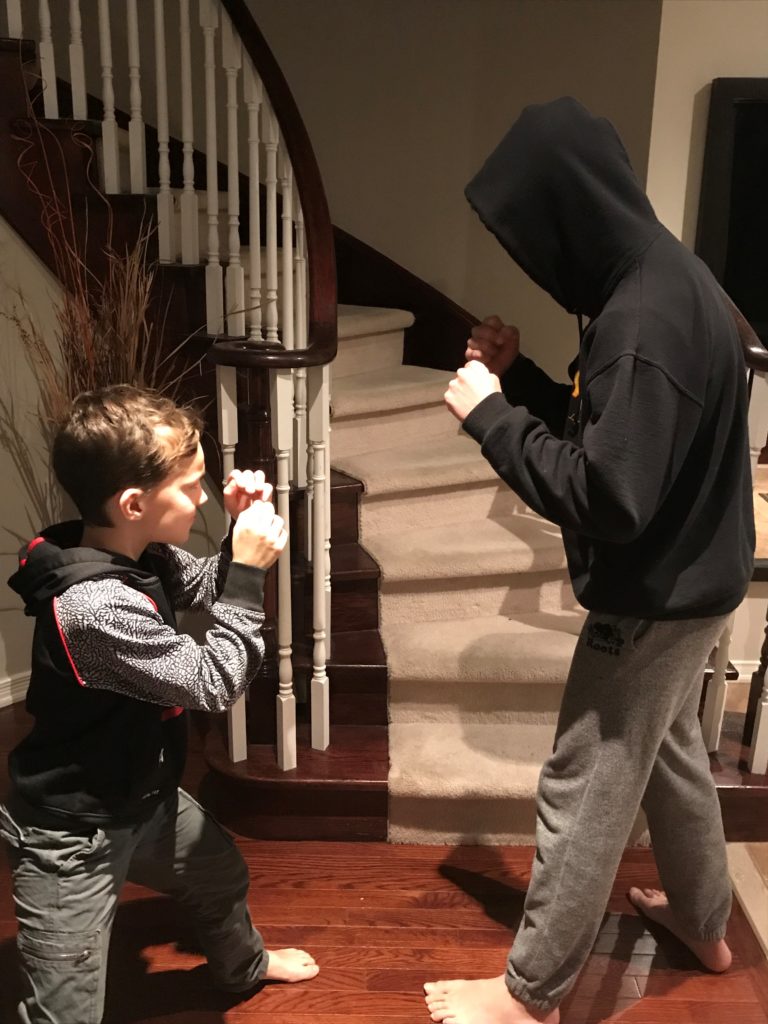
The air crackles with tension. A toy snatched, a word thrown like a dart, and suddenly the serene family home transforms into a miniature battleground. Sound familiar? Navigating the choppy waters of sibling relationships can be one of the most challenging aspects of parenthood, leaving you feeling like a referee in a never-ending game.
We've all been there – that moment when you feel utterly helpless as your children squabble, bicker, and compete. The constant arguments can drain your energy, disrupt the peace in your home, and leave you wondering if you're doing something wrong. It's easy to get caught in the trap of playing judge and jury, constantly trying to determine who's right and who's wrong, but this often leads to more resentment and frustration.
This guide is here to offer a different approach: one that focuses on fostering positive interactions, building empathy, and equipping your children with the tools they need to navigate conflict constructively. We'll explore practical strategies for minimizing rivalry and maximizing cooperation, creating a more harmonious and loving environment for your family.
In this article, we’ll delve into understanding the roots of sibling rivalry, uncovering positive discipline techniques, fostering empathy, and creating a supportive family environment. We'll also touch upon the importance of individual attention, celebrating differences, and teaching valuable conflict-resolution skills. Let's embark on this journey toward a more peaceful and connected family life.
Understanding the Roots of Sibling Rivalry
Sibling rivalry often stems from a child's innate desire for their parents' attention and love. When a new sibling arrives, or even as children grow and develop, they may perceive that their share of parental resources (time, affection, material possessions) is diminishing. This perceived threat can trigger feelings of jealousy, insecurity, and resentment, leading to competition and conflict. As the eldest of three, I remember feeling a pang of something akin to betrayal when my younger siblings started demanding more of my parents' time. Suddenly, my reign as the "baby" was over! It wasn't that I disliked my siblings, but I definitely felt a shift in the family dynamic, and I unconsciously started competing for attention, often through negative behavior. It's important to remember that these feelings are normal and often stem from a place of vulnerability.
Understanding the underlying causes of sibling rivalry is the first step toward addressing it effectively. By recognizing that children are often acting out due to unmet needs or perceived threats, parents can respond with empathy and understanding rather than frustration. Addressing these underlying needs by providing individual attention, validating their feelings, and creating opportunities for connection can help to reduce the intensity of rivalry and promote more positive sibling relationships. It's about creating a secure and loving environment where each child feels valued and appreciated for their unique qualities.
Positive Discipline Techniques for Sibling Conflict
Positive discipline focuses on teaching children valuable life skills, such as problem-solving, empathy, and self-regulation, rather than relying on punishment or rewards. When applied to sibling conflict, positive discipline involves guiding children toward constructive solutions, helping them understand the impact of their actions, and empowering them to resolve conflicts independently. This approach encourages children to take responsibility for their behavior and develop healthy coping mechanisms for managing disagreements. Instead of simply punishing them for fighting, positive discipline aims to teach them how to communicate effectively, compromise, and respect each other's boundaries. Imagine a scenario where siblings are arguing over a toy. Instead of immediately confiscating the toy (punishment), a positive discipline approach might involve helping them brainstorm solutions, such as taking turns, finding a different toy, or negotiating a trade. The goal is to empower them to find a mutually agreeable solution that respects both their needs and the needs of their sibling. By consistently applying positive discipline techniques, parents can foster a more cooperative and harmonious family environment.
The History and Myths of Sibling Rivalry
The concept of sibling rivalry is as old as families themselves. Stories of sibling conflict can be found throughout history and mythology, from the biblical tale of Cain and Abel to the Greek myth of Romulus and Remus. These narratives often depict intense competition, jealousy, and even violence between siblings, highlighting the enduring nature of these complex relationships. However, it's important to recognize that these stories often exaggerate the negative aspects of sibling relationships. While sibling rivalry is a common experience, it's not always a destructive force. In fact, research suggests that sibling relationships can also be a source of support, companionship, and social learning. The myth that all siblings are destined to be rivals is simply not true. While some degree of conflict is inevitable, siblings can also develop deep bonds of affection and loyalty. Parents can play a crucial role in shaping these relationships by fostering positive interactions, teaching conflict-resolution skills, and creating a family environment that values cooperation and respect. By challenging the negative myths surrounding sibling rivalry, parents can empower their children to build strong and supportive relationships that last a lifetime.
Unveiling the Hidden Secrets of Sibling Dynamics
Beyond the obvious squabbles and arguments, there are often deeper dynamics at play in sibling relationships. Birth order, personality differences, and parental favoritism (real or perceived) can all contribute to the complex tapestry of sibling interactions. Understanding these hidden secrets can provide valuable insights into the root causes of conflict and help parents tailor their interventions accordingly. For example, the oldest child may feel pressure to be responsible and successful, leading to resentment if they perceive that their younger siblings are receiving preferential treatment. The middle child may struggle to find their place in the family, leading to feelings of invisibility or neglect. And the youngest child may feel coddled or underestimated, leading to rebellion or dependence. By recognizing these underlying dynamics, parents can address the specific needs of each child and create a more equitable and supportive family environment. Open communication, active listening, and a willingness to acknowledge and validate each child's unique experiences are essential for fostering healthy sibling relationships.
Recommended Strategies for Minimizing Rivalry
Minimizing sibling rivalry requires a multifaceted approach that addresses both the immediate conflicts and the underlying dynamics of the relationships. Here are some recommended strategies: 1.Individual Attention: Carve out dedicated time to spend with each child individually, engaging in activities they enjoy and providing undivided attention. This helps them feel valued and secure in your love.
2.Celebrate Differences: Encourage and celebrate each child's unique talents, interests, and personality traits. Avoid comparing them to each other and focus on their individual strengths.
3.Teach Conflict-Resolution Skills: Equip your children with the tools they need to resolve conflicts constructively, such as active listening, compromise, and empathy.
4.Establish Clear Boundaries: Set clear rules and expectations for behavior, and consistently enforce them. This provides a sense of structure and fairness.
5.Foster Cooperation: Create opportunities for siblings to work together on projects or activities, encouraging teamwork and collaboration. By consistently implementing these strategies, parents can create a more harmonious and supportive family environment where siblings can thrive.
Creating a Supportive Family Environment
A supportive family environment is the foundation for healthy sibling relationships. This includes fostering open communication, promoting empathy, and creating a sense of belonging for each child. Encourage your children to express their feelings and listen to each other's perspectives. Teach them the importance of empathy by helping them understand how their actions affect others. Create family traditions and rituals that bring everyone together and foster a sense of connection. A supportive family environment is one where each child feels valued, loved, and accepted for who they are. By creating such an environment, parents can help to minimize rivalry and promote positive sibling relationships that last a lifetime. This goes beyond simply mediating arguments; it's about proactively building a culture of respect, understanding, and love within the family unit. It means modeling healthy communication skills, actively listening to your children's concerns, and creating opportunities for them to connect with each other in positive ways. It also means acknowledging and validating each child's unique experiences and feelings, and avoiding comparisons that can fuel competition and resentment.
Effective Communication Tips for Parents
Effective communication is key to managing sibling rivalry. This involves active listening, empathy, and clear, consistent messaging. When your children are arguing, resist the urge to immediately take sides. Instead, encourage them to express their feelings and listen to each other's perspectives. Validate their emotions, even if you don't agree with their behavior. Use "I" statements to express your own feelings and needs, such as "I feel frustrated when you yell at each other." Avoid using accusatory language or making generalizations. Be consistent in your messaging and enforce the same rules for all your children. Effective communication can help to de-escalate conflicts, promote understanding, and foster positive sibling relationships. Remember, the goal is not just to resolve the immediate conflict, but to teach your children valuable communication skills that they can use throughout their lives. This includes teaching them how to express their needs and feelings in a respectful way, how to listen actively to others, and how to compromise and find mutually agreeable solutions. It also means modeling these skills yourself, demonstrating effective communication in your own interactions with your children and your partner.
Teaching Conflict-Resolution Skills
Conflict is an inevitable part of life, and teaching children how to resolve conflicts constructively is a valuable skill that will benefit them throughout their lives. Start by teaching them the importance of active listening, which involves paying attention to what the other person is saying, asking clarifying questions, and summarizing their perspective to ensure understanding. Encourage them to express their own feelings and needs in a respectful way, using "I" statements to avoid blaming or accusing. Teach them the importance of compromise, which involves finding a solution that meets the needs of both parties, even if it means giving up something they want. Role-playing different conflict scenarios can be a helpful way to practice these skills. By equipping your children with effective conflict-resolution skills, you can empower them to navigate disagreements constructively and build stronger, more positive relationships. This is not about eliminating conflict altogether, but rather about teaching them how to manage it in a healthy and productive way. It's about helping them develop the skills they need to communicate effectively, understand different perspectives, and find solutions that work for everyone involved. By mastering these skills, children can learn to resolve conflicts peacefully and build stronger relationships with their siblings and others.
Fun Facts About Sibling Relationships
Did you know that studies have shown that sibling relationships are often the longest-lasting relationships in a person's life? They can provide a unique source of support, companionship, and social learning that extends far beyond childhood. Another interesting fact is that sibling rivalry tends to peak during early childhood and adolescence, as children are developing their identities and competing for parental attention. However, as siblings mature and develop their own lives, the intensity of rivalry often diminishes, and they may even become closer as adults. Sibling relationships can also be a source of resilience and coping skills, as children learn to navigate conflict, negotiate, and compromise with their siblings. While sibling rivalry can be challenging, it's important to remember that it's also a normal part of growing up and that it can ultimately contribute to the development of valuable life skills. By understanding the dynamics of sibling relationships and implementing strategies to minimize rivalry, parents can help their children build strong and supportive bonds that last a lifetime.
How to Create a "Fair" Environment
The concept of "fairness" is often a hot topic in families with multiple children. However, it's important to recognize that fairness doesn't necessarily mean treating all children exactly the same. In fact, treating each child as an individual and meeting their unique needs is often the most fair approach. Some children may require more attention or support in certain areas, while others may thrive with more independence. The key is to be transparent and consistent in your decision-making, explaining to your children why you are making certain choices. Avoid comparing them to each other and focus on their individual strengths and accomplishments. Create a family environment where each child feels valued and appreciated for who they are. By fostering a sense of fairness and equity, parents can help to minimize rivalry and promote positive sibling relationships. It's about creating a culture of respect and understanding, where each child feels that their needs are being met and that they are being treated fairly, even if it doesn't always look the same as how their siblings are treated.
What If Sibling Rivalry Escalates?
Despite your best efforts, sibling rivalry may sometimes escalate into more serious conflicts. If you notice signs of bullying, aggression, or persistent negative interactions, it's important to intervene promptly and directly. Set clear boundaries and expectations for behavior, and consistently enforce them. Consider seeking professional help from a therapist or counselor if the conflicts are severe or causing significant distress. It's important to remember that you are not alone and that there are resources available to help you navigate these challenges. Sometimes, a neutral third party can provide valuable insights and guidance for improving sibling relationships. Addressing these issues early on can prevent them from escalating into more serious problems and help to foster a more positive and supportive family environment. This may involve individual therapy for the children involved, family therapy sessions, or even parenting support groups. The key is to take action and seek help when needed, rather than allowing the conflicts to fester and damage the sibling relationships.
Listicle: Quick Tips for Sibling Harmony
Here are a few quick and actionable tips to promote harmony between siblings: 1.Establish a "No Hitting" Rule: Make it clear that physical aggression is never acceptable and enforce consequences consistently.
2.Encourage Sharing and Turn-Taking: Teach children the importance of sharing and taking turns, and provide guidance and support when needed.
3.Create Opportunities for Positive Interactions: Plan activities that encourage siblings to work together and have fun, such as playing games, doing chores, or going on outings.
4.Praise Positive Behavior: Acknowledge and praise children when they are getting along well and demonstrating positive interactions.
5.Model Healthy Communication: Demonstrate effective communication skills in your own interactions with your children and your partner. By consistently implementing these tips, you can create a more harmonious and supportive family environment where siblings can thrive. Remember, consistency is key. The more consistently you reinforce these positive behaviors and expectations, the more likely your children are to adopt them and build stronger, more positive relationships with each other.
Question and Answer: Sibling Rivalry FAQs
Q: Is sibling rivalry normal?
A: Yes, sibling rivalry is a very common and normal part of childhood. It's often a result of competition for parental attention and resources.
Q: What are some signs of unhealthy sibling rivalry?
A: Signs of unhealthy rivalry include bullying, aggression, constant arguing, and persistent negative interactions.
Q: How can I prevent sibling rivalry?
A: You can't completely prevent it, but you can minimize it by providing individual attention, celebrating differences, teaching conflict-resolution skills, and creating a supportive family environment.
Q: When should I seek professional help for sibling rivalry?
A: If the conflicts are severe, persistent, or causing significant distress, it's a good idea to seek professional help from a therapist or counselor.
Conclusion of Managing Sibling Rivalry With Positivity
Managing sibling rivalry is an ongoing journey, not a destination. By understanding the underlying causes of conflict, implementing positive discipline techniques, and creating a supportive family environment, you can help your children build strong and positive relationships that last a lifetime. Remember to be patient, consistent, and empathetic, and to celebrate the unique qualities of each of your children. While there will undoubtedly be bumps along the road, the rewards of fostering harmonious sibling relationships are well worth the effort. This isn't about creating a perfect, conflict-free family, but rather about equipping your children with the skills and tools they need to navigate disagreements constructively and build lasting bonds of love and support. Embrace the challenges, celebrate the successes, and remember that you are not alone in this journey. By focusing on positivity, understanding, and empathy, you can help your children develop healthy and fulfilling relationships with each other that will enrich their lives for years to come.
Post a Comment for "Managing Sibling Rivalry With Positivity"